Gold TV on Soweto TV

Gold TV on Soweto TV

.Gold TV was established with the intention of making the world a better place and to dominate the industry with positive news by feeding its audience with positive news and positive affirmations that have become something rare in broadcast media today. The Gold TV Platform is a media tool used to reach the uninspired masses in society and has done so by differentiating itself in the media space by shying away from sharing negative narratives that are overwhelming society. Gold TV shares stories of champions and their resilience by sharing how beautiful the world can be when positivity is shared, especially within our younger generation that constantly needs to be inspired to do and be better for a brighter future.

Digital Shero has assisted Gold TV with a Go-to Market Strategy, branding and packaging Gold TV across all social media platforms. Digital Shero has amplified the Gold TV brand by building the brand from scratch and developing the Gold TV website and Social media pages as well, to attract potential sponsors and viewers.

Gold TV has recently acquired a slot on Soweto TV every Tuesday at 5pm, which is exciting news for the brand as it is giving the platform more reach to their targeted audience to share the positive affirmations and energy. This collaboration is going to put Gold TV in a better position to reach even more viewers and touch more lives.

“We aspire to partner and own a few media platforms in Africa and this collaboration with Gold TV was our way of paying it forward and helping understand the TV industry as media group. We are proud of where Gold TV is now and where it is headed” – Bolawana Mags Shivanda ( CEO Digital Shero)

“Going through a lot of challenges gave me the idea of having a show that will lift people’s spirits up. I encourage them to keep believing in their dreams and going for gold. I remember saying I will inspire people and motivate them whenever I talk. Thanks to the powerhouse behind the Gold TV brand for making us visible and attractive to sponsors.” Kingnee Adeniyi Lawal ( CEO Gold TV)
Honouring Women in Marketing

Honouring Women in Marketing

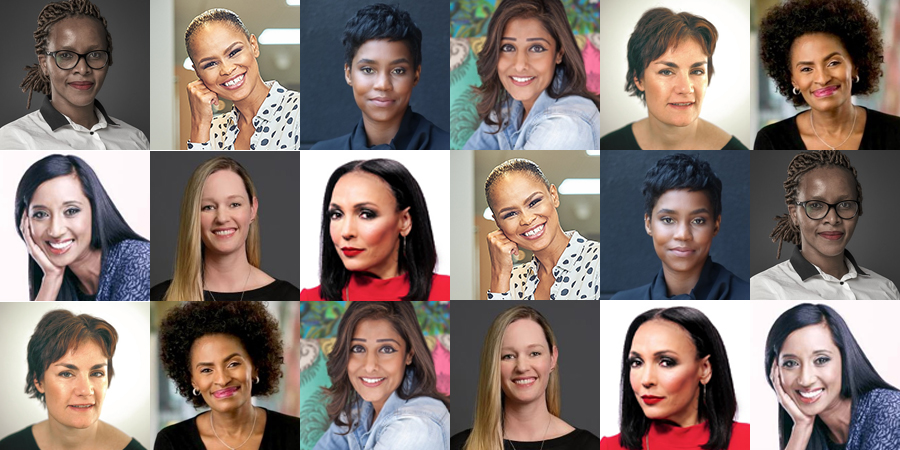
Women’s Month is a time to celebrate the contributions women have made to culture, history and society. We celebrate the incredible achievements of women throughout history. Women have played a vital role throughout ancient and contemporary civilization. DigitalShero encourages you to share stories of inspirational women in your lives. A tribute to all females in marketing who have made a difference.

BOLAWANA MAGS SHIVANDA
Mags Shivanda, who is an astute Founding Director and Innovative publisher, has over13 year’s experience in Digital Media Marketing. Her company Digital Shero Media Group is a 100% Black Female owned #ADTECH media and digital marketing company. She is also the Founder and Head Cheerleader of BloemGirlsRock Foundation, an NPO based in Bloemfontein which provides computer literacy skills to underprivileged girls.

Mags Shivanda’s career started in 2007 when she became an intern in one of the biggest media houses in South Africa. She founded DigitalShero in 2015 and in 2019 she was sent by Investec with 13 other young media owners to Bangalore in India for their Network Global program. She is now an aspiring Angel Investor who has invested in one of the emerging e-commerce companies in South Africa. Her dream is to inspire and show young girls from anywhere in Africa that female leaders do exist they do things differently. Female leaders all over the world are very futuristic and every young girl should never ever doubt their uniqueness.

NKGABISENG MOTAU
Nkgabiseng Motau is the co-founder and CCO of TTL creative agency Think Creative Africa. She has worked as the art director at FCB and Ogilvy Johannesburg. She has been called upon to judge various industry awards, including PendoringCreative CircleCannes Young Lion, and the Nestlé Art Project. She has also received a Gold Pendoring award for her work on the branding of the Nelson Mandela Children’s Hospital.
She gives back to the industry serving as a board membership at Creative Circle, the Loeries Committee as well as mentorship through The One Club Creative Bootcamp and the Loeries Open Chair.

MASEGO MOTSOGI
Masego Motsogi is the managing director of Grid Worldwide, having previously held the roles of MD at Ninety9Cents Johannesburg and the business unit director at McCann Erickson and Ogilvy & Mather South Africa. With nearly two decades worth of experience in the marketing industry, she has worked with clients across an extremely diverse portfolio. She has a keen interest in youth and female development, as well as developing the industry.

ROBYN CAMPBELL
Robyn Campbell took over as the Managing Director of brand experience company Machine in March. Campbell served as the MD of TTL agency and HelloFCB+. She is also the head of the agency council at the Interactive Advertising Bureau (IAB). With over a decade of experience in the marketing industry, she has played a significant role in developing a variety of specialist units. She is passionate about transformation and equality within the marketing industry and spends much of her time contributing to thought leadership, mentoring and developing initiatives.


KOO GOVENDER
Koo Govender is the current CEO of Dentsu Aegis Network South Africa. She has previously worked as the group CEO of the VWV Group South Africa (the first female to take up this role in the company) and as Director of Corporate Marketing and Communications at M-Net. Govender has a real passion for women empowerment and mentorship, which is evident through her championing the Phakama Women’s Academy. The Academy serves as a bridging programme to equip and empower marketing university graduates for what the corporate life is really like.

She has won numerous business and female-empowerment awards, including the Mail & Guardian Investing in the Future and Drivers of Change Awards in 2015.

ODETTE VAN DER HAAR
In September 2019, Odette Van Der Haar took up the spot as MD of Publicis Africa. She previously worked as the CEO of J Walter Thompson South Africa and the Association for Communication and Advertising where she spearheaded the revival of the highly coveted APEX Awards (now the Effies).

She has a reputation for championing transformation within the industry, having co-authored the industry’s now-legislated Charter for Transformation. She also serves as the industry representative for transformation on the Charter Council. Van Der Haar is a regular judge for various industry awards and throughout her career, has been awarded titles including ‘Woman of the Year’, ‘The Most Influential Woman in Business and Government’ as well as ‘The Most Powerful Woman in South African Digital Marketing’.

SUHANA GORDHAN
On Tesday September 1st, Suhana Gordhan will be a new executive director of the Duke Group. Gordhan is one of the most advanced women in the advertising industry, previously ECD with FCB Africa and Net # Work BBDO, VML South Africa and CD at Black River FC. By acting on the “Ton Chair” in the old KU before, Gordhan is very committed to the growing number and growth of the diameter of the industry. Gordhan imagined an open chair initiative with Simoné Bosman and Jenny Glover. This offers the opportunity for young women to be normalized by some of the most successful women in the industry. Gordhan has also won an impressive number of awards such as Loveries Grand Prix, Black Eagle, Golden Pendum, Creative Circle Ads, Silver Pixel Marker, Silver Pixel, Silver Pixel.

NUNU NTSHINGILA-NJEKE
Nunu Ntshingila-Njeke is the person responsible for Facebook Africa to lead the teams that participate in institutions and brands throughout the continent to help them maximize the provision of platforms. In 2016 she led the industry of South African advertising and made history by becoming the first woman to obtain the Veritiz’s Hall of Fame for her work. She is one of the most exciting women in the industry, with the passion of using techniques to promote social inclusion in Africa. She had no relationship with advertising but she served a long career in Ogilvy & Mather South Africa and works as CEO after the secondary MD.

FRAN LUCKIN
You cannot mention the word “Marketing” in South Africa without remembering the wonderful Fran Ractchin! She is currently working in Creative Officer Gray African Chief, who is driving a campaign for big name brands such as Volvo, Console, Nestlé. Recently Lukin was appointed as the new President of the Loerie Awards.

How to Find Your Target Audience in 4 Steps

How to Find Your Target Audience in 4 Steps

Need more customers? If you haven’t figured out who your target audience is yet, that’s a problem that may never go away.

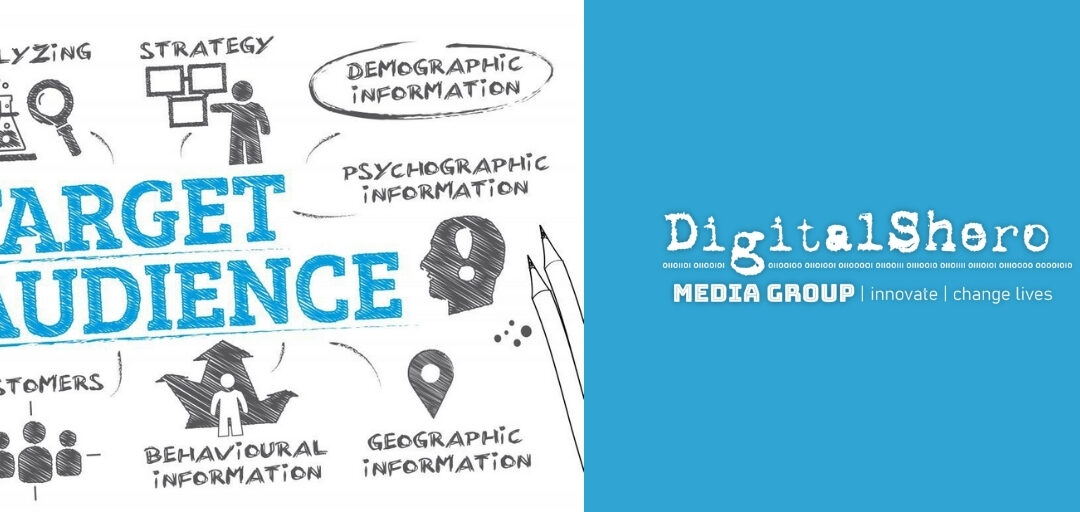
Target audiences are the people who would be most interested in your product or service . Your target audience informs almost all of your advertising decisions, including the voice or tone of your messaging, where you should display those messages, and what channels you should use to communicate with new and potential customers.

Defining and reaching out to your target audience are your first steps towards greater success in your business. Whether this is your first time establishing your target audience or you are trying to attract a new audience, here’s how to find your target audience in four steps.

Step 1: Define Your Target Audience

Who is your ideal customer?
Figuring out who you are trying to talk to is the most important of these four steps.
How could you persuade something to do anything if you didn’t know their needs and concerns?

So how do you define your target audience? We recommend using personas. Personas are essentially a character description of the ideal consumer who would purchase your product or service. Painting a clear picture of your customers will help you empathize with who they really are: people. Your customers are not just a performance metric, they are real people with real needs and problems. You can paint that picture by using the following :

Choose Demographics – To start crafting your persona, you can characterize them using several different factors like Gender ,Age, Location ,Employment, Income, Hobbies, Education, Relationship Status.

Do Your Research – Now, for your buyer persona to be an effective tool, you have to put genuine thought and effort into picking these characteristics. To cultivate a proper customer persona, you need to do some research and answer some questions. For starters, consider who has bought your product in the past. If your previous customers used their email to order your product, you can send out a customer survey with demographic questions to better understand who your customers are. Even after you have developed a thorough persona, you should continue to use customer surveys to keep your finger on the pulse of your audience. You should also think about the need or desire your product or services is meant to satisfy. This involves a big-picture mentality.

Create Your Persona – After researching your customer demographics, you can put it all together to create a buyer persona.

Step 2: Create the Right Messaging

Now that you understand who your target audience is, you need to let them know who you are with your brand messaging. This messaging should present you as an industry leader who can fulfill the needs of your customers.

To build your brand messaging framework from top to bottom, there are a few things you should have handy:


We’ve already gone over what you need to know about your target audience, so let’s hit the other points.

Brand Promise – Your brand promise communicates your value and what customers can expect when they interact with your company. The better you can deliver on that promise, the more customers will trust your brand.

Positioning Statement – Your positioning statement defines how you fit into the market also consider the pain points of your target audience. How can you do a better job than your competitors at solving their problems?

Mission Statement – The last two points inform customers of what to expect from your brand. Mission statements tell them what your ultimate goal is. Your mission statement should describe what you hope to accomplish with your company, what your core beliefs are, and how your actions are informed by those core beliefs.

Tone of Voice – All of the previous points help you figure out what you want to say, so now it’s time to figure out how to say it. What kind of tone would best reflect your core beliefs?

Step 3: Show up Where Your Audience Is

You should have a general idea of where your audience goes online as when you create your customer persona.

Step 4: Referral Programs and Reviews

Once you find your core audience online, you still don’t have an excuse to rest. Your newfound audience can now help you with word-of-mouth marketing or by sharing on their social platforms (telling their friends how great you are). You can encourage this practice by asking for online reviews. New customers will have an easier time trusting your company if you have a higher star rating. The only way to get a higher rating is by providing excellent service to your customers and encouraging them to leave a review of their positive experience. Their positive review is, effectively, their endorsement of your brand, which can inspire other people to go to your website and buy your product or service.

To get more customer reviews, consider taking some of the following initiatives:

1.Offer rewards for leaving a review

2.Send out emails to previous customers using marketing automation

3.Post on social media to ask people to leave a review

Find Your Audience with DigitalShero. As long as you know what tools to use, finding your audience doesn’t need to be a chore. We understand if you’ve been too busy to put in the work. On the other hand, if you partner with DigitalShero, we can do all of the heavy lifting and find your perfect audience for you. If you want help finding and connecting with the right audience, contact DigitalShero today.

That’s Enough About Us.

You can call us now, or we can meet over a conference call. Either way, we’re excited to meet you.

Let’s Talk About You.

7 Reasons SEO Might be the Most Hated Marketing Tactic

7 Reasons SEO Might be the Most Hated Marketing Tactic

SEO stands for Search Engine Optimization, which is the process of getting your website pages ranked higher in organic (not paid) search results. It’s important for business because 70-80% of search engine users only focus on the organic results, and of those, 75% of people never scroll past the first page. If you’re not at the top of search results, you’re losing business to your competitors.

So, does SEO really work? The answer is yes. In fact, improving SEO and growing their company’s organic presence is the top inbound marketing priority for 61% of marketers. But understanding the importance of search engine optimization, and knowing how to use it effectively are two entirely different things. Many either don’t comprehend what’s involved, or find that SEO is harder than they thought.

Understanding how people search the internet, engage in social media, and shop is challenging in itself. Then factor in understanding how search engines evaluate and rank results, and you add a whole new level of complexity and difficulty. Therefore, SEO has secured a place in business as an essential—but often hated—marketing tactic.

Here are seven reasons why SEO is the marketing tactic you love to hate.

1. You’re at the Mercy of Search Engines

When we say search engines, we know that’s primarily Google, since it holds almost 93% of the global search engine market share. And Google doesn’t make it easy. There are hundreds of different ranking factors, and they aren’t public about what those ranking factors are.

Unfortunately, that means the rest of us are left making our best educated guess when it comes to SEO. And then when Google modifies their algorithm, those guesses may no longer work like they used to. Google has also taken steps to catch those who are gaming the system, so now people find they have to work harder to get the same results as before.

2. The SEO Landscape Is Always Changing

Anyone in the SEO industry will tell you that SEO isn’t anything like it was 10 years ago—or even five years ago. And in a few years it will probably be quite different from today. Search engines are in business to provide the best online search experience for their users, which includes predicting what searchers want. As a result, Google regularly evaluates and modifies its algorithm to meet its own goals.

SEO requires both knowledge and a steady dedication to keep up with an industry that is constantly evolving and shows no signs of slowing down.

Claim Your FREE Strategy Session With an Expert

For a limited time, you can sign up for a 30-minute strategy session with a DigitalShero SEO specialist — no strings attached.

TELL ME MORE!

3. SEO Is a Long-Term Tactic

Compared to other digital marketing channels, SEO is a long-term investment. The activities you do today rarely show results tomorrow, next week, or maybe even this month. Changes to your site, building links, and creating quality content could take up to several months to see a return on your investment. That can be difficult when marketers are used to paid platforms like AdWords or Facebook Advertising, where you put money in and can immediately track and measure results.

To go along with this, SEO requires a lot of testing to find what does and doesn’t work because there are so many variables. SEO takes consistent, daily effort over time to achieve lasting, significant results.

4.SEO Is Complex

Effective SEO combines branding, content creation, IT, and content promotion through a complex set of tasks. There are three primary branches, or components, of SEO:

Technical SEO deals with the programmatic components of your website, and server optimizations that help search engine spiders crawl and index your site more effectively.

On-page SEO deals with the content on your website to help search engines understand the topic and value of each page.

Off-page SEO works to strengthen the influence and relationship your website has with other sites, including building authority.

To top it off, with SEO changing all the time, it can quickly grow even more complicated and harder to understand.

5. Effective SEO Is Multidisciplinary

SEO isn’t an isolated initiative. It’s an integration of many things and requires coordination with several different departments in an organization to be effective: web-development, marketing, branding, content, customer support, and public relations, among others. The many different aspects that influence search ratings are very integrated; quality SEO happens when you bring dozens of skills together.

6. SEO Is Extremely Competitive

Just like you, your competitors are trying to rank in top search results spots too, which makes SEO relentlessly competitive. Not only do you need to stay on top of how Google is ranking your site and content, but you also need to know what your competitors are doing. If you have a “How To” that’s driving traffic and ranking well, a competitor could post a better one that could bump yours off the first page results. Consistent SEO also means regular monitoring of those in your industry.

7. There’s No “Right Way”

We all like step-by-step instructions on how to achieve results: do X and Y and achieve Z. But SEO is never that straightforward. There are so many different types of sites, different ways to optimize, and different strategies to get different page rankings or search results. For that matter, there’s no Google training or certification, no SEO textbook, and no dedicated Google reps to contact for SEO guidance. SEO requires extensive knowledge to start, then trial and error, and a commitment to put in the time and effort to find the “right way” for you.

“Hard” SEO Is Always Better than “Easy” SEO

SEO is hard, but necessary in today’s digital world. It may be tempting to try and find an easier path for SEO, and there are people out there who will promise it. But Google catches those who go the easy route sooner or later. DigitalShero is dedicated to helping clients reach their SEO goals through the best strategies to achieve long-term, quality results. Let the SEO experts at DigitalShero help your business improve your SEO, and reap the rewards.

That’s Enough About Us.

Here’s the thing about our SEO agency: We prefer long-term partnerships that are deeply rooted in trust. Before we dive right into this, we’d like to get to know you better, get a feel for your current situation, and talk about your marketing goals and expectations.

You can call us now, or we can meet over lunch. Either way, we’re excited to meet you.

Let’s Talk About You.

Get Reviews For Your Brand

Get Reviews For Your Brand

Online reviews provide key insight into customer satisfaction and areas where your company is thriving, as well as areas that could use a bit more attention. The information gathered from consumer reviews is invaluable to many aspects of your business, from the marketing and sales teams, down to the employee implementing day-to-day tasks. We’ll discuss different points on how to get online reviews.

1. Put Your Business On Popular Review Sites.

Technology plays such a critical role in business operations but also in how your business interacts with its customers. Simply type your business name in to google and many google online reviews will pop up following it. These reviews, as well as many others, impact your business reputation. Online business reviews are becoming increasingly popular and a source of information for many consumers or potential consumers. With this being said you need to make sure your business is on popular review sites so that it gives customers a chance to give online reviews, and it helps lend credibility to your business. Some of the more popular review sites include Google My Business, Facebook, Amazon, Yelp, Trip Advisor, and Yellow Pages.

2. Remind Your Customers They Have The Option.

Often times your customers just need to be reminded that they have the option to give your business a review. This can be done through various channels including social media. Post which review sites your business is listed on and have a call to action that invites them to leave a review. You can also have your employees remind customers when they are purchasing products that they have the option of reviewing your business on popular review sites. Consider putting the logos of the review sites you are targeting in a window where customers will see it when entering and leaving your business.


When you are encouraging your customers to leave reviews, it’s important that you don’t come across as bribing them or asking them for false reviews. You simply want to educate them that they have the option of leaving a review and it is entirely up to them what kind of review they leave. If you try to solicit positive reviews only it may do more harm than good as it will become apparent you are targeting only positive reviews.

3. Incorporate It Into Your Customer Service & Support Strategy.

If you have a customer support line, whether that be via chat or phone, it’s a great opportunity for your employees to offer the customer an option of leaving a review. If your customer service team is helping your customers resolve their problems in a timely manner, you may get a positive review about how great your customer service team is etc. Of course, you run the risk of a frustrated customer leaving a bad review. However, these can still be opportunities if you respond quickly and in a positive manner to further try to resolve the issue. It will help lend credibility and authority to the reviews that are being left for your business, and it will show that you are willing to help your customers resolve problems.

No matter which of the above strategies you decide to take, you need to make it easy. Simplify the process for your customers to get to review sites as much as you can. Provide links directly to your business on different review platforms and make it as simple as you can. The easier it is, the more likely people will be to complete the reviews.

DIGITALSHERO APPOINTED AS MARKETING AGENCY BEHIND LIBRESSE’S #WOMBSTORIES

Mags Shivanda the founder of DigitalShero & Mpho Nojiwa Marketing Manager of Libresse South Africa.

Johannesburg- Personal hygiene brand, Libresse has appointed a media and marketing company, Digital Shero, to lead social, digital, and media relations on their current Womb Series campaign. This series launched on Libresse digital channels, on the 1st of February 2021, the brand has  been showcasing a compelling and realistic sequence of what women experience on a frequent basis.  The campaign will focus on the female body and the complexities that arise during one’s lifetime. First period,  miscarriage, endometriosis, menopause and infertility will be some of the topics that will be uncovered in blatantly, transparent and powerful manner.


What distinguishes the brand and its campaign from similar projects, is the powerful and cringe-worthy approach in which it examines the life-changing moments and medical conditions which women face. The series educates, empowers and evokes emotion by showcasing the unknown reality around wombs and periods. It disrupts myths and half-truths by telling weighty stories of what ordinary women around the world, experience behind the doors of their own homes.  Depictions of real blood, heavy details around the emotional and physical torment and heartbreaking specifics about the losses and effects; are what makes the Womb Stories so overwhelming and ground-breaking.


It disrupts myths and half-truths by telling weighty stories of what ordinary women around the world, experience behind the doors of their own homes.


Working with women through the ‘Bloem Girls Rock’ Foundation and as a nurturer and advocate for growing females, it was naturally fitting that Digital Shero takes on this assignment. It has for years invested and cultivated a culture in which young adults are aware of their bodies, understand what it is that they may encounter at any point of their life and has given them the tools to live a healthy and inspired life.


The company is passionate about changing lives and is certain that it will contribute to Libresse’s core purpose of driving impact and conversation, and most crucial, normalizing these dialogues that are often depicted as shameful.

With the core of Digital Shero’s work being on digital media platforms, the campaign has been executed through a storytelling format. It has strategically drive the Womb Table. This is a digital segment that partners and invites local experts to further scrutinize the complications around the female body. With this, the company intends to connect and resonate with ordinary women while creating a hub of women to post, disclose and share their personal journey.

We are breaking down taboos by having necessary conversations. 

“The power of knowledge is an important part of what we impart to all the women we work with. This campaign is really a reflection of what we value and Digital Shero is elated to be a part of this campaign. We have supported women and helped them reclaim their power by enabling them to know themselves better. The launching of this campaign on a digital platform comes at advantage because the discussions naturally expand and in that way, even those on the sidelines, are able to learn and gain something valuable from it, “says Mags Shivanda, Founder and Managing Director of Digital Shero.

This is the first time that the pioneering WombTable is implemented in South Africa. It expects getting rid of the simplistic narrative and blanket approach that women’s experiences are the same.


About Digital Shero

DigitalShero is a 100% Female owned #ADTECH media and marketing company, that was founded in 2015. At Digital Shero, we take pride in finding digital solutions for our clients to reach their intended market. We are committed to building strong brands and assisting advertisers to become the change South Africa needs.


Author | Wendy Mabandla
PR & Communications

Let's Chat!-)